2025 FIM EWC Round 4 — Bol d'Or 24 Hours | Race Report (20–21 September)
Riding on its fuel-economy strength, Team Étoile led the SST class with the championship coming into view late in the race — only for an engine failure at the 11-hour mark, the second year running, to force a heartbreaking retirement. The team closed its second season 5th in the series.
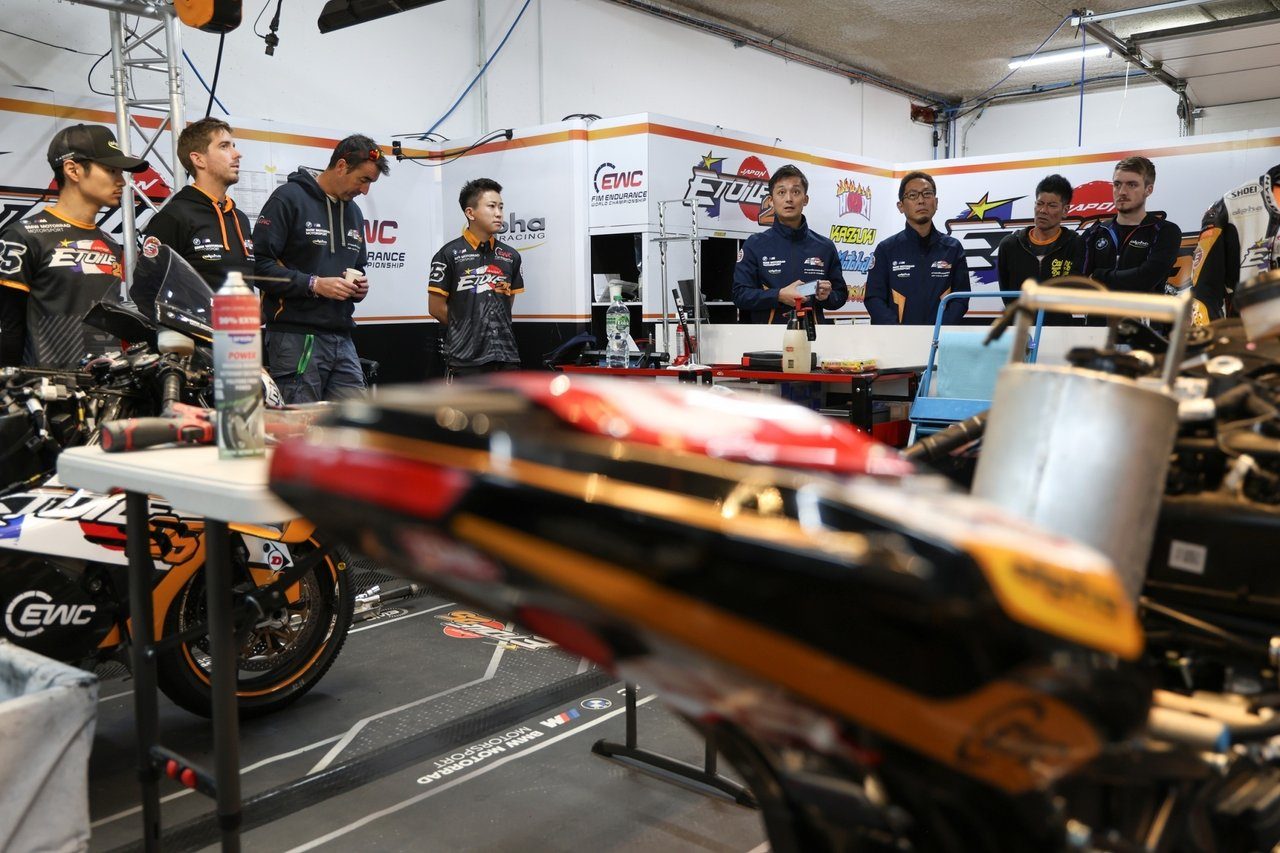
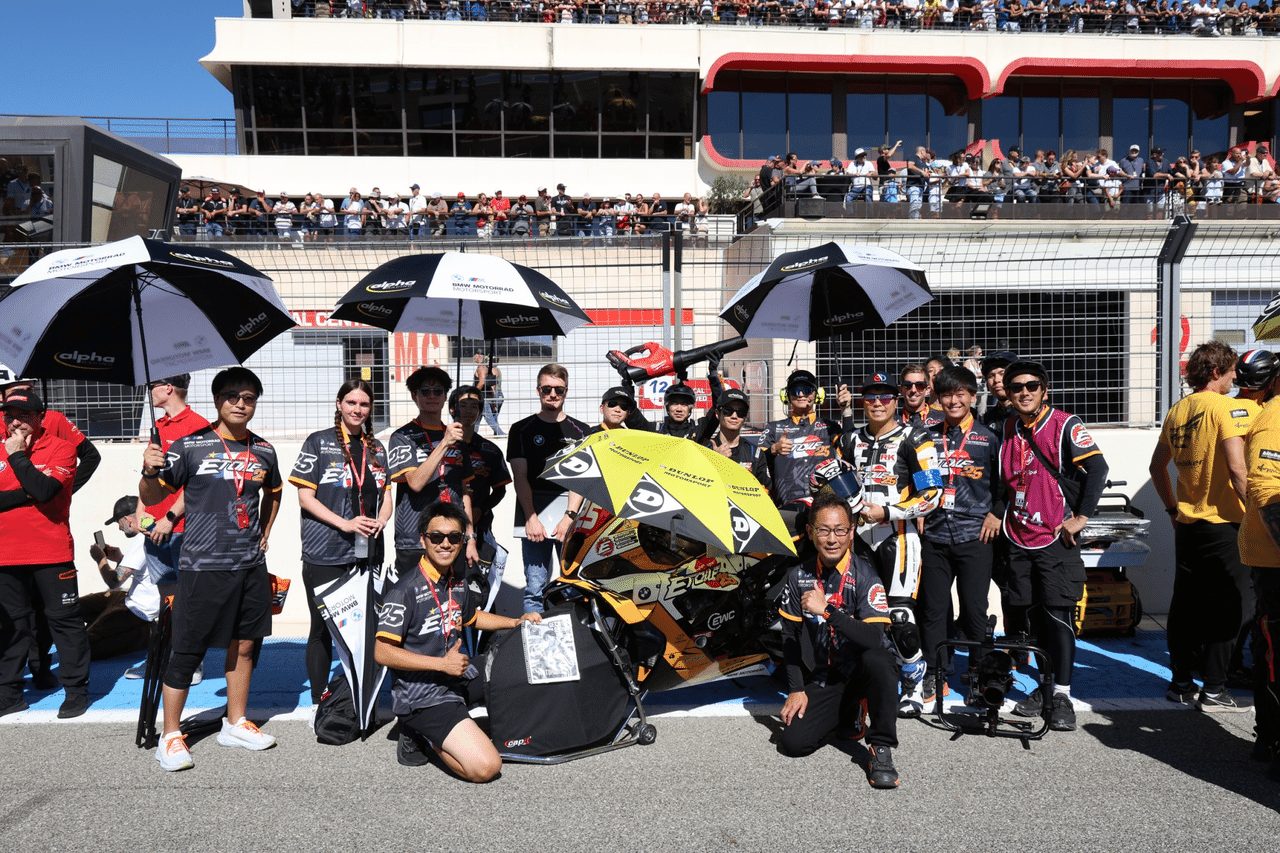
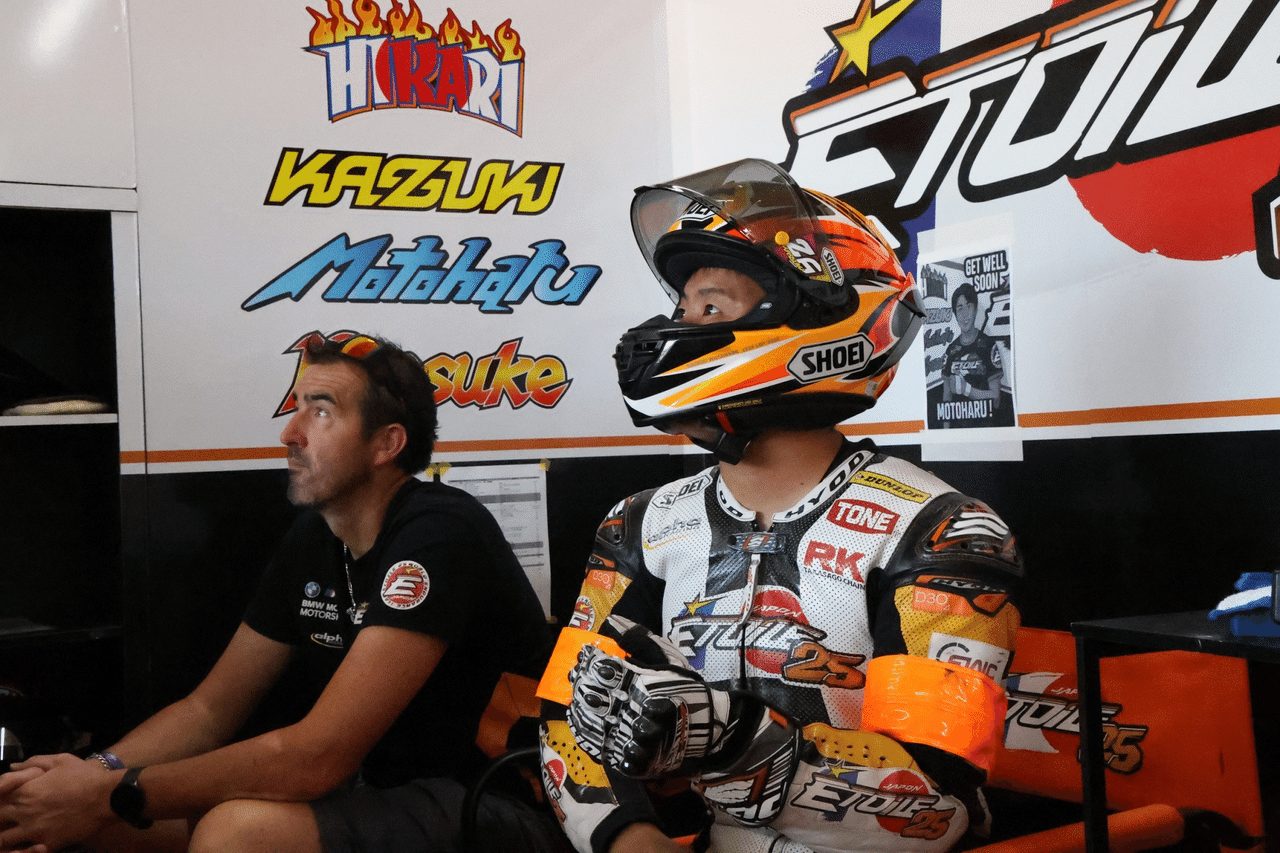
For the 2025 season finale, Team Étoile took on the Bol d'Or 24 Hours as the culmination of its second year. A four-rider line-up of Hikari Okubo, Kazuki Watanabe, Motoharu Ito and Kyosuke Okuda was backed by a 26-strong squad led by team principal Takashi Ichikawa. With the series title still mathematically alive, this was a race in which a strong finish was a must.
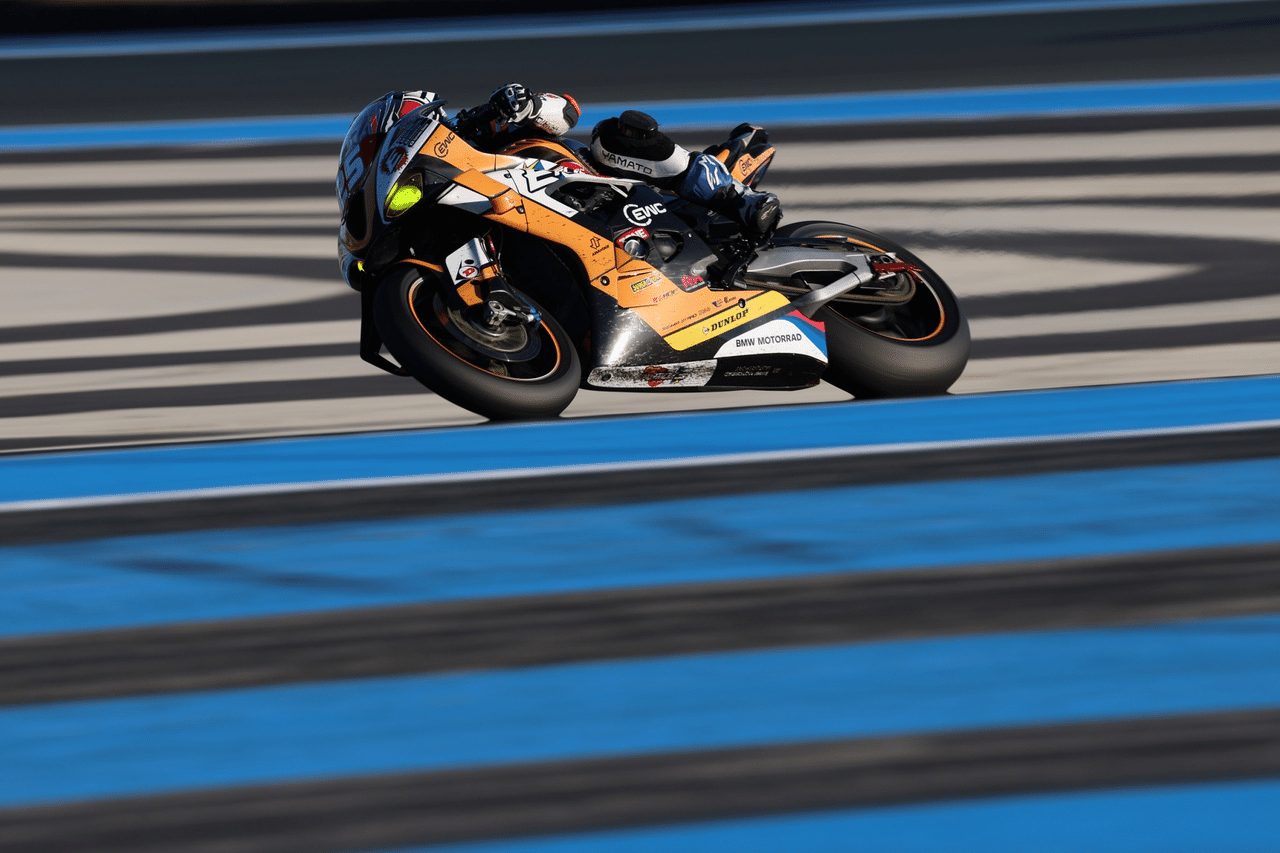
But qualifying brought upheaval. Okubo crashed in the first session, and Ito then crashed and was injured, ruling him out of the race. The team repaired the bike in Q2, where Okubo set a personal best and Watanabe posted a strong time; registered as a green rider, Okuda also showed a high race-pace average. The team secured third in class in qualifying — and would contest the race three-up, without Ito.
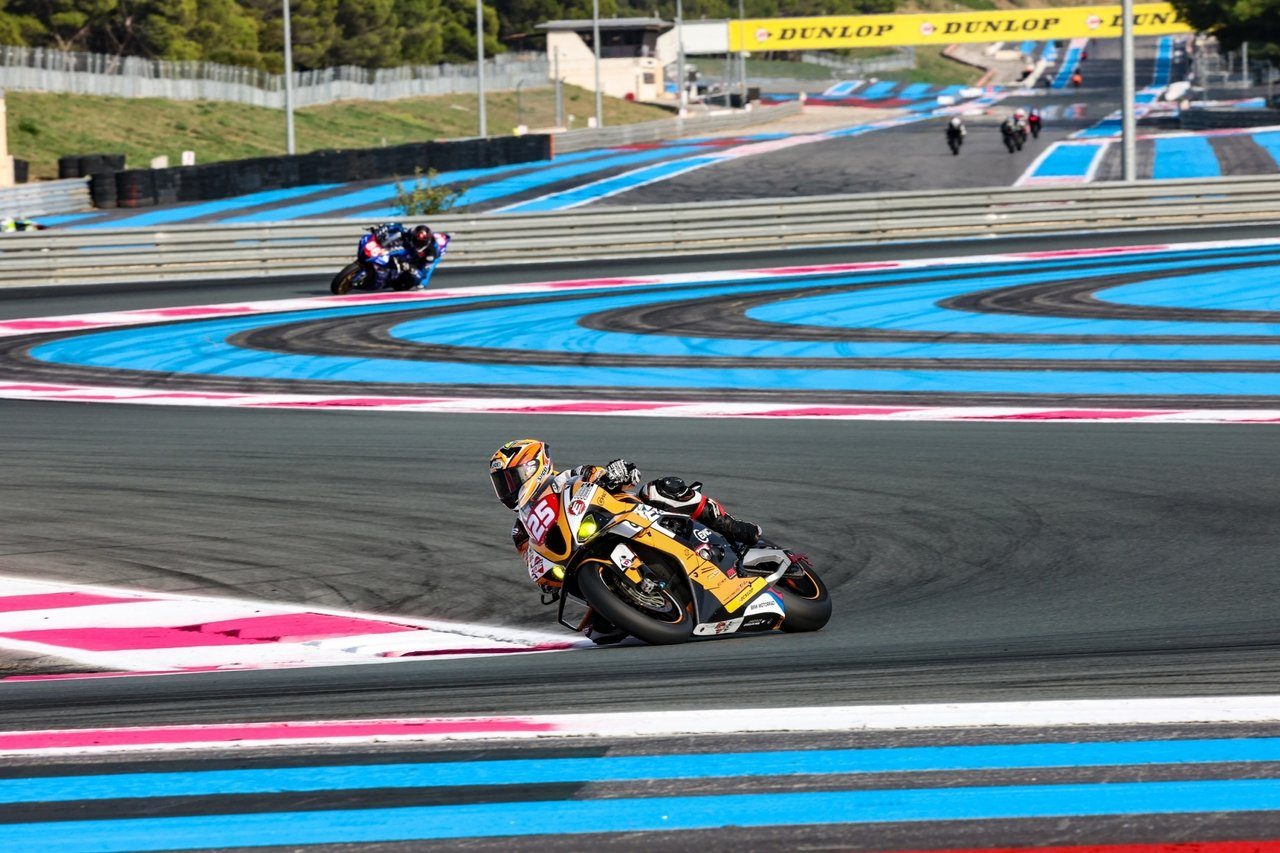
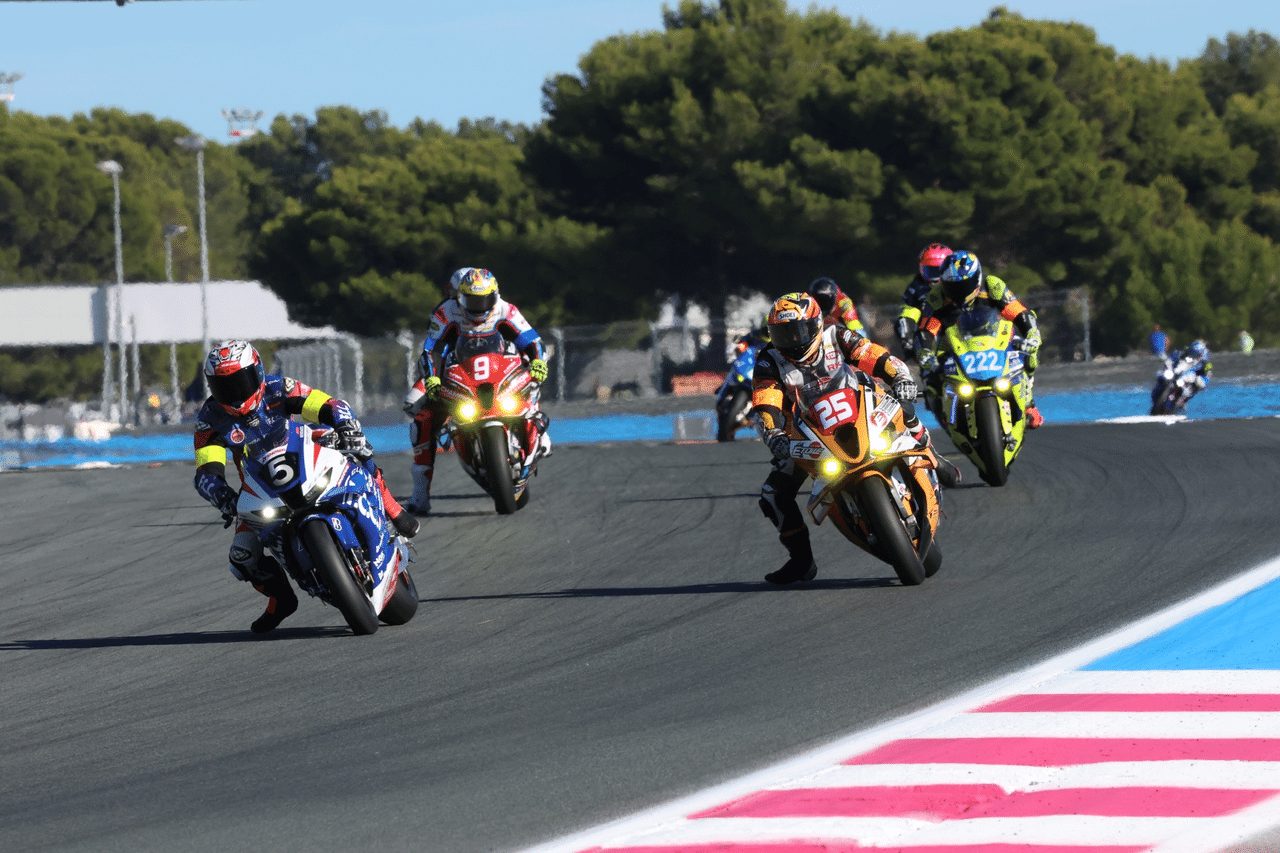
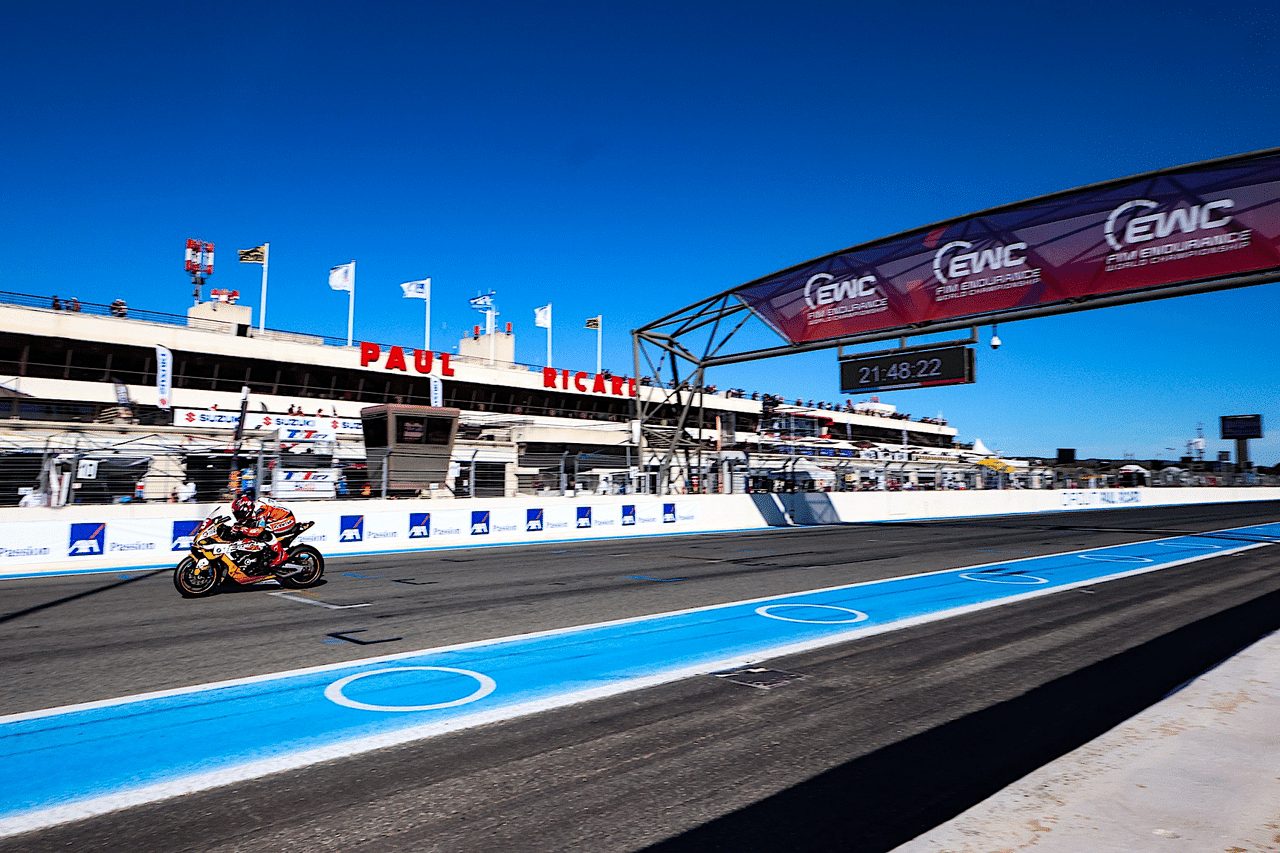
At 15:00 local time on Saturday, the 24-hour battle began. Team Étoile's signature fuel economy paid off immediately: needing fewer pit stops than its rivals, the team held first in the SST class through the hour-by-hour updates. With Watanabe and Okubo running fast and Okuda continually beating his qualifying time, the trio kept up a steady rotation that belied their three-rider strength.
At the eight-hour mark the team was still near the front, and the series title came into view. Real-time strategy built on ITS-Live data, polished pit work and that fuel economy — the team's strengths meshed for an ideal race.
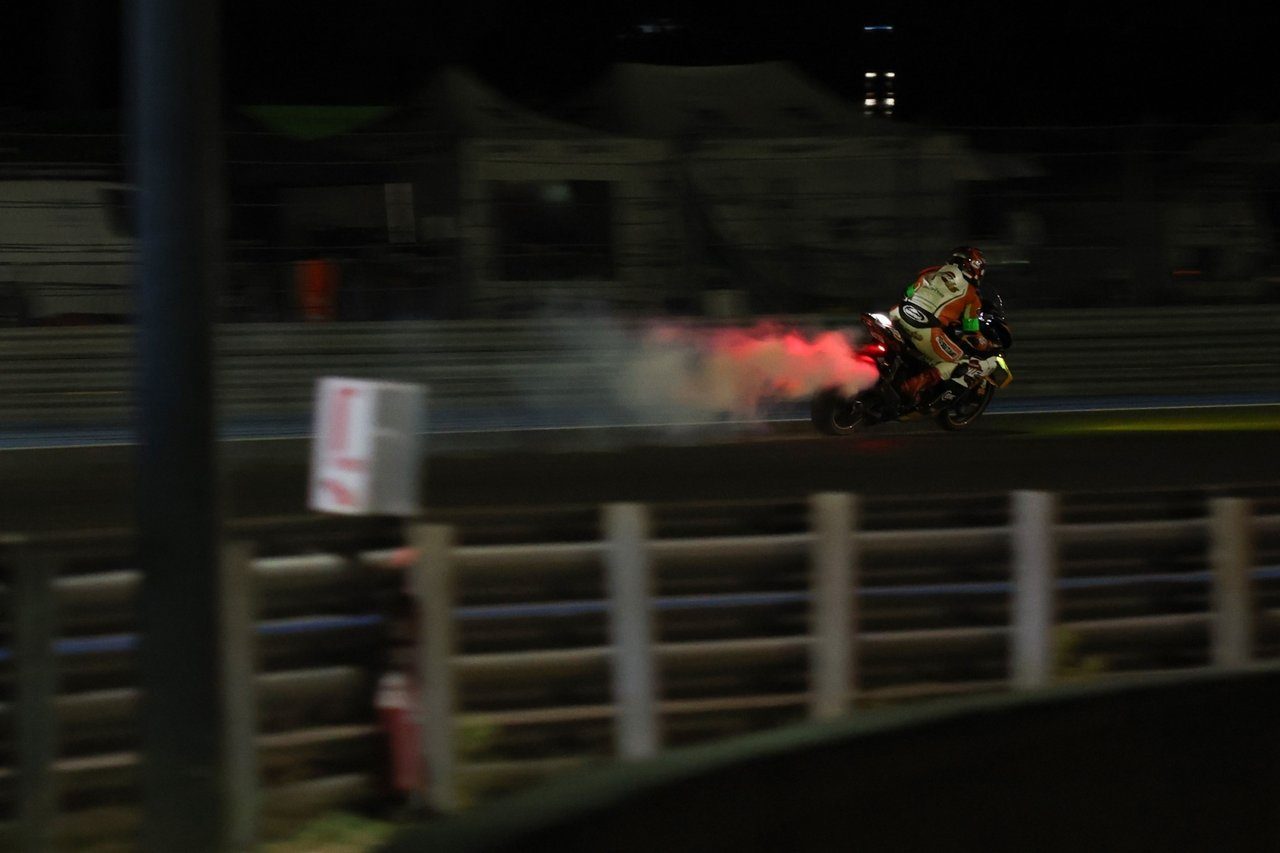
But at the 11-hour mark, the engine broke without mercy — a second straight Bol d'Or undone by engine trouble. Despite a year of countermeasures, from lower revs to longer gearing, the failure came even earlier than the year before, ending the dream of the series title.
The final series result was fifth, on 86 points. The championship goal slipped away, but with a fourth-place finish at Le Mans and victory at the Suzuka 8 Hours, the second year was a rewarding one in which the team grew markedly. In the SST class, where engine measures are limited, simply completing 24 hours is a hard but worthwhile challenge — and with that in mind, Team Étoile heads into 2026 to chase the series crown on the world stage once more.
Rider & team principal comments
Rider
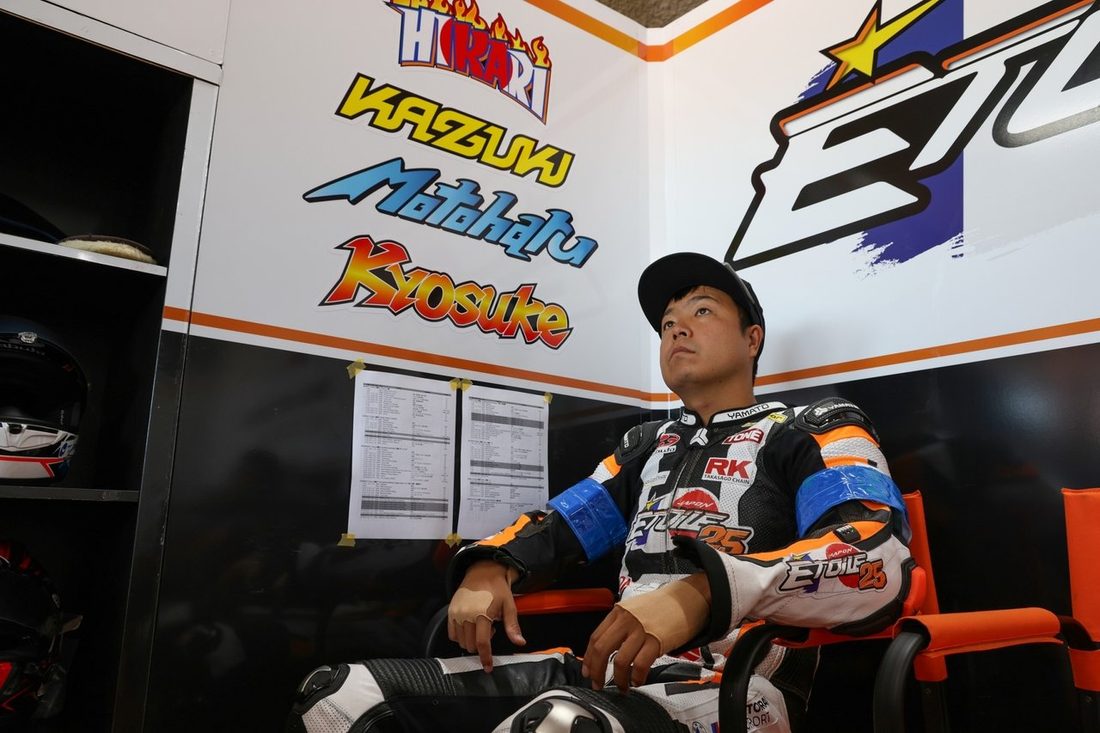
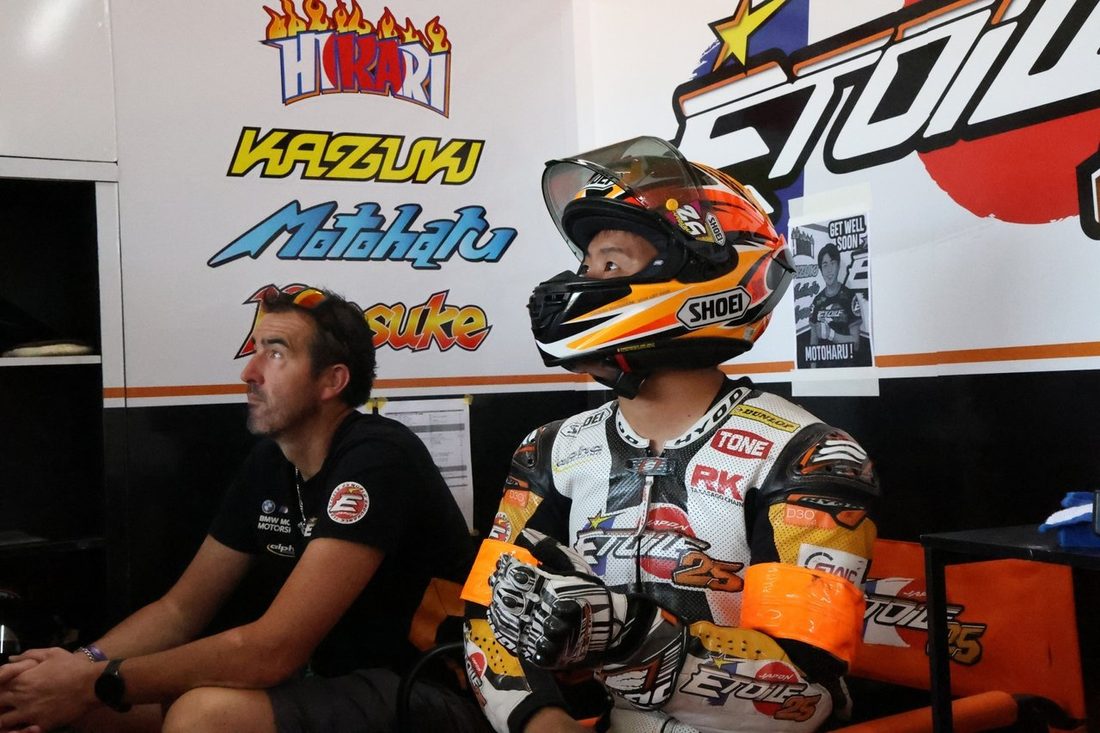
Hikari Okubo
"From the points situation, I knew we had to stay ahead of the #41 and #55 at all times, at minimum. The #119 rider was going well from the start — a fast rider I'd raced with before — so while watching behind, I kept our two bikes a step clear, saving fuel and preserving the engine. I could have passed but chose not to, gaining a good pacemaker instead. In the end we achieved better fuel efficiency than the team expected and ran two or three laps longer, so I think I did a good job in the first stint."
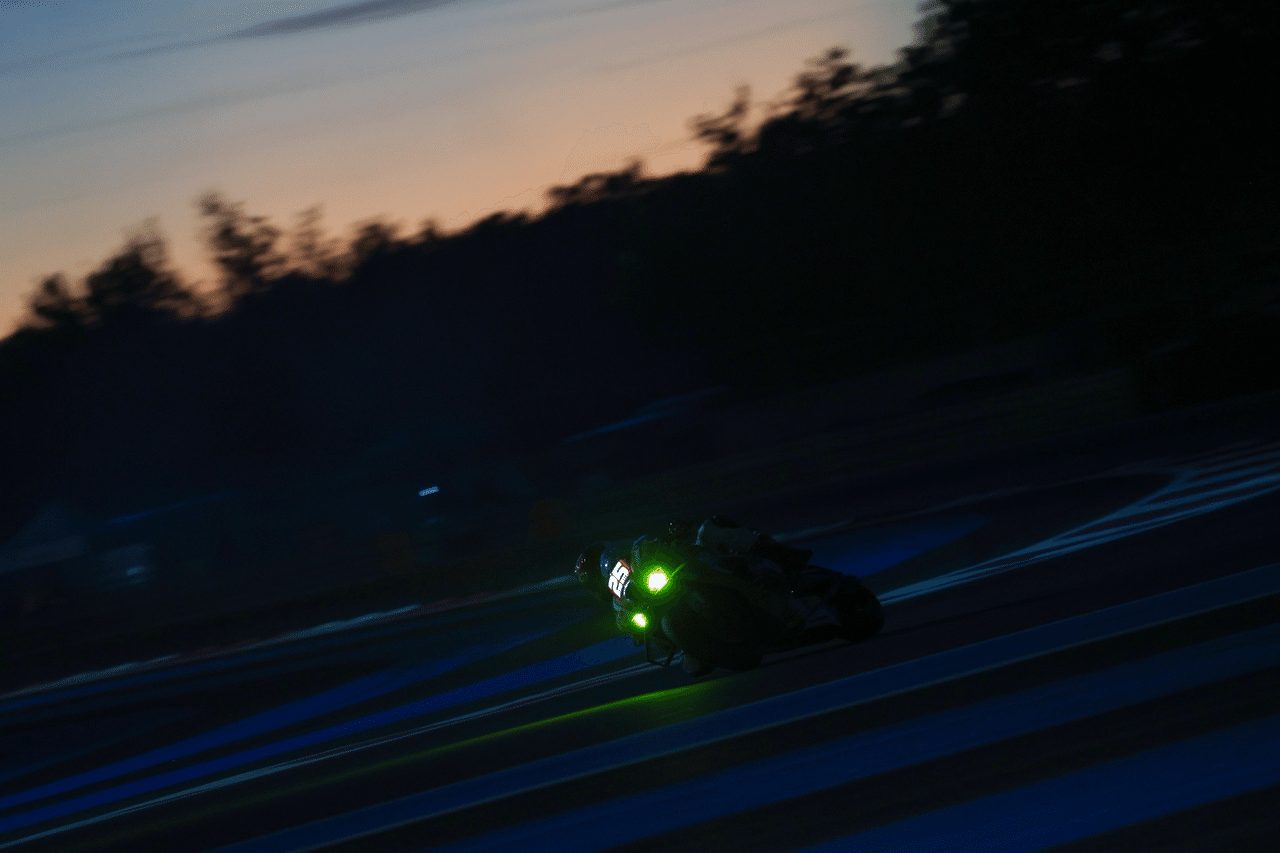
"My second stint was on used tyres, but I could lap in the low 1:55s, a good pace within the SST class. A brake issue came up at night and I couldn't push, but I kept at it and circulated in the 1:55–56 range. Having held a good pace, ending in retirement is deeply frustrating. We came into this race aiming to be world champions, so I can only call it bitterly disappointing."
Rider
Kazuki Watanabe
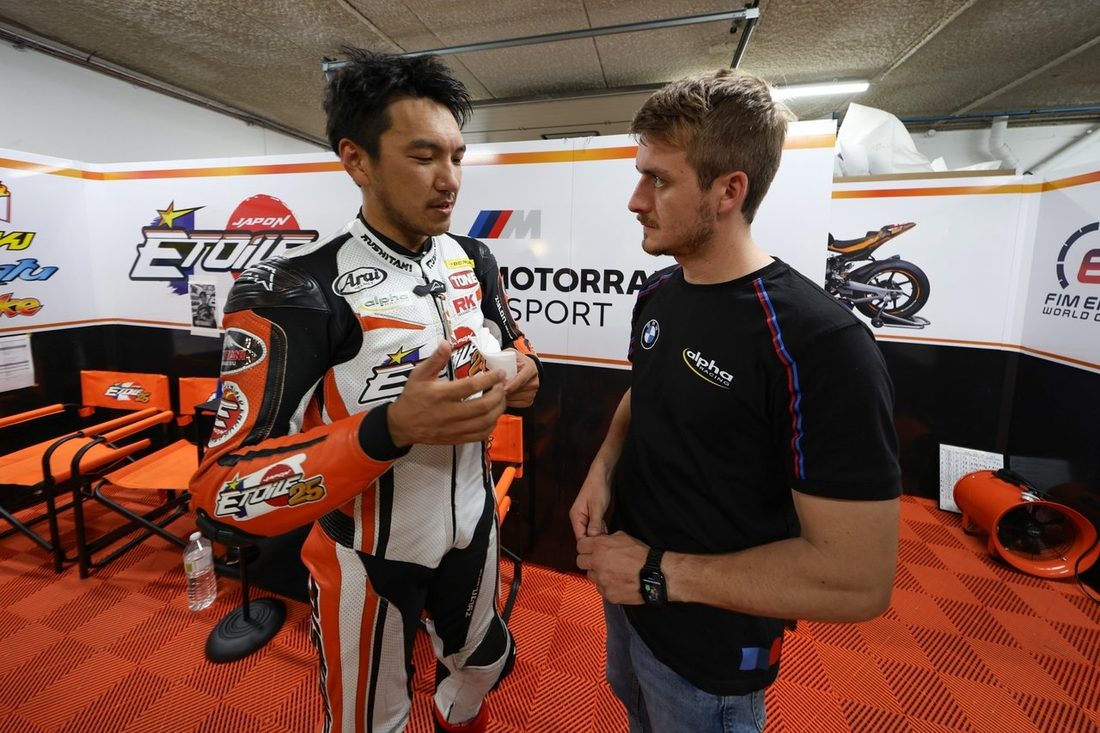
"Early on, CHAMPION-MRP-TECMAS were going very well and overall we lost some ground, but in my stints there were moments where I closed the gap a little, so I think I did my job. Still, given that we didn't lead on points at the eight-hour mark, we needed a bigger advantage, and I feel my own shortcomings too. Above all, the moment we failed to finish, I've been turning over what we were missing, ever since the race ended."
"(When the engine failed) I was watching the screen while being looked after, and the moment that dark footage came up — white leathers, an Arai helmet… It was a huge shock. With only four rounds a year in this EWC, the weight of a 24-hour race is immense. The year began with a finish at Le Mans; there was plenty to reflect on, but Alpha Racing and the team had prepared so much as countermeasures from last year, so I think everyone feels the frustration of it not coming together."
"When I saw the footage I had, to some extent, braced for retirement. The Bol d'Or is a race where you have to weigh that possibility from before the start… I haven't fully processed it, and I've felt the stress from the moment it ended until now. From the instant I saw the footage, I've kept asking what we could have done. A second straight retirement, this 'here we go again' while fighting well — it's mentally very hard."

Rider
Kyosuke Okuda
"It was a fight for first and second throughout. Because Team Étoile's fuel efficiency was good, we made fewer pit stops than the others and passed the eight-hour mark in second. Then, less than two or three hours later, the bike stopped."
"Braking into Turn 3, when I shifted down, there was an abnormal noise — like the traction control kept engaging. Turning the traction control off didn't help, so I judged it was engine trouble and looked back to see smoke from the silencer. That confirmed the engine had failed. Since the smoke was only from the silencer, I ran at the edge of the track to try to reach the pits quickly, but with that much smoke, the orange ball was unavoidable."
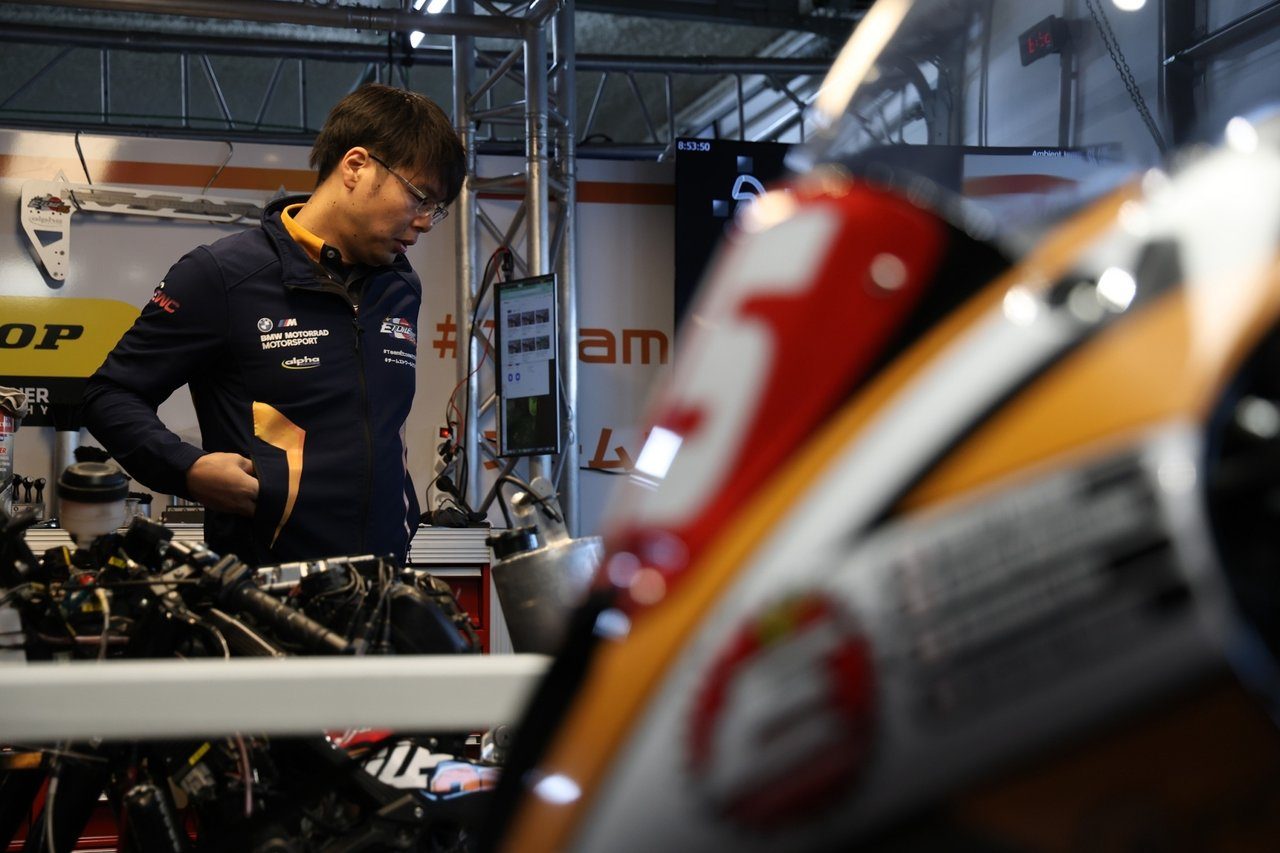
"Both Watanabe and Okubo were running extremely well, and I was lapping at a pace that beat my qualifying time. The mechanics had almost no trouble and were doing faster pit work than the others, so it was all going really well. For the engine to fail right then is hugely frustrating. This is the harshness of a 24-hour race, so if I get the chance next year, I want to come back for revenge. Thank you all for your support."

Team Principal
Takashi Ichikawa
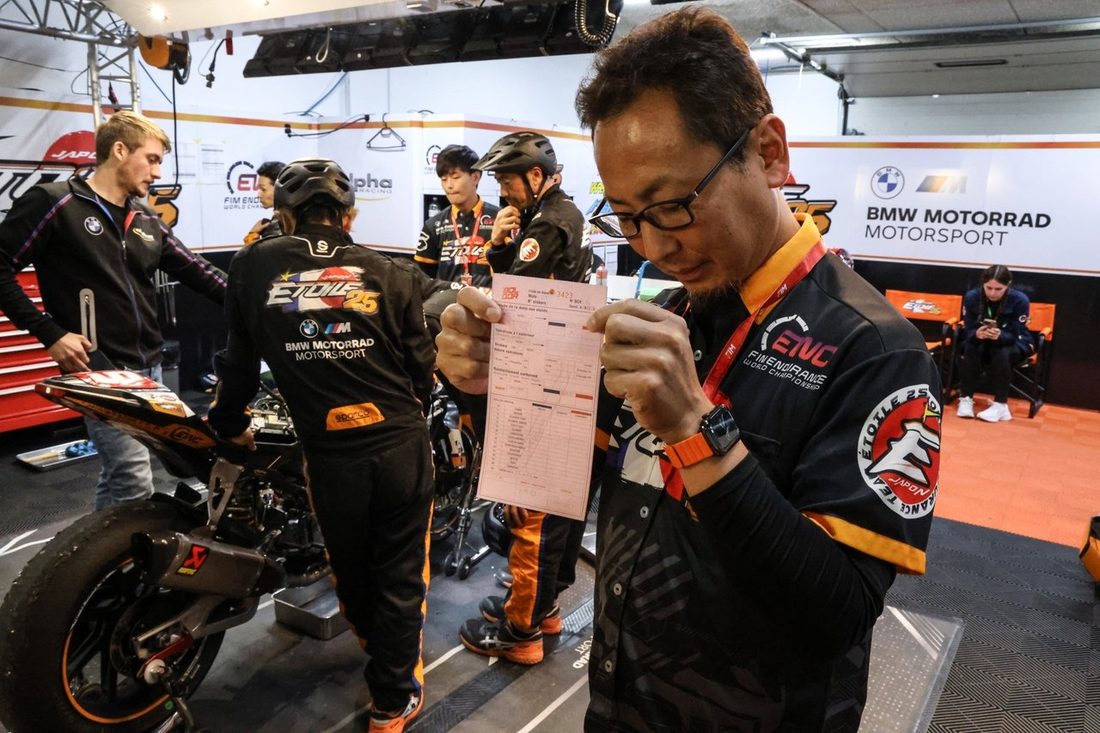
"For the second year running we retired from the Bol d'Or with engine trouble, and we couldn't achieve our goal of the series title. Third in qualifying and second at the eight-hour mark — the race was unfolding ideally, but at 11 hours the engine broke and that was that. We took various measures from last year, such as lowering revs and lengthening the gearing, but it bitterly failed to bear fruit. Still, the team has grown enormously since year one, and with a fourth-place finish at Le Mans and victory at the Suzuka 8 Hours, it was a rewarding season too. In the SST class, engine measures are limited, but how to complete 24 hours within those constraints is both a difficult and a worthwhile challenge. Next season we will win the series title for certain and put right the frustration of these two years."
Photo gallery